Lying "with statistics" usually means jumping units and scale. Statistics and graphs at least have the virtue of making this sort of manipulation easier to detect. But unit and scale manipulation are also the basis for many lies - and unintended falsities - that are not statistical.
"Nothing will come of that." "What good is that?" Either remark can be truthful and apt, but usually isn't. The first is usually a manipulation of unit. The second, of scale.
The moves in these two simple statements are among the most common in proverbs, folk tales and folk wisdom. So not only can one lie "with proverbs" as well as "with statistics", but the nature of these lies is often the same.
Friday, March 28, 2014
Thursday, March 27, 2014
geodes
I haven't worked it out, but do play with the idea that some important virtues, especially the virtues of thought - reasonableness, completeness, carefulness, focus - are refinements or transformations of intellectual and nonintellectual vices that result not from an external creative intent - whether virtuous or amoral - but from the intramural interactions of the vices themselves. That certain virtues develop from vices (not necessarily opposites or pairs), upon the application of energy and the passage of time, catalyzed by surroundings.
greener grass
Most folks can't afford a nervous breakdown. Like a Corvette, they'd have one if they could.
Wednesday, March 26, 2014
not original: sin
The human desire for good and beauty forms with them an ageless love triangle, ever fecund, bearing their own kind and that hinny, evil.
deacon jokes
Like violists, blonds, and rowboats with a priest, a rabbi and a minister, there's a subgenre of old baptist jokes about deacons. (In old baptist churches, the deacons were generally the good ol' boys of the church, reliable and good, but not too good to enjoy a good joke, nor too pious to enjoy getting to wait outside the vestibule, smoking, during much of the service, so that they could usher and tend to offering plates.)
So the deacons finish taking up collection and gather out front for a smoke as the sermon gets underway.
So the deacons finish taking up collection and gather out front for a smoke as the sermon gets underway.
"What he say he's preachin' on, Mackey?" says one.
"Sin." says Deacon Mackey, pulling on the word as if mentholated.
"What's he gonna say?"
"Reckon he's agin' it."
They pause, look out at the parking lot, the lazy Sunday morning traffic, drag on their Winstons.
"He'll be steppin' on my toes a bit, then."
"Aw, I reckon he'll just bear down and spin on mine a while."
"Sin." says Deacon Mackey, pulling on the word as if mentholated.
"What's he gonna say?"
"Reckon he's agin' it."
They pause, look out at the parking lot, the lazy Sunday morning traffic, drag on their Winstons.
"He'll be steppin' on my toes a bit, then."
"Aw, I reckon he'll just bear down and spin on mine a while."
clang
We all have to struggle with a social perversion of the golden rule. It is not enough for society that we treat others as we would be treated: society would have us want to be treated as others would want to be treated. Resist.
I do not mean to concede to the golden rule. It is a crude awl, meant to punch some approximation of decency into hardened hearts.
For a decent, loving soul, the golden rule is too crude. To the good, I say this: Fear not to do unto others as must be done; and when nothing is necessary, do then unto others as ought to be done; and then, when - as is usual - there are many right options, do unto others as they would have you do unto them, not as you would have done unto you.
For we are not alike, one to another, in what we want, even when we are alike in necessities and rights.
And in doing unto others as they would have it, fear not to be yourself: serve, but as an equal serves and not as a servant.
In short, when you can, give others what they want, but do it in your style. Seek to live, insofar as possible, in a fertile succession of dancing pairs: be not a loner, or a crowdsman, or a cog. Only and exactly two humans may look one another in the eyes. Serve in this heart and in this style: it is communion.
I do not mean to concede to the golden rule. It is a crude awl, meant to punch some approximation of decency into hardened hearts.
For a decent, loving soul, the golden rule is too crude. To the good, I say this: Fear not to do unto others as must be done; and when nothing is necessary, do then unto others as ought to be done; and then, when - as is usual - there are many right options, do unto others as they would have you do unto them, not as you would have done unto you.
For we are not alike, one to another, in what we want, even when we are alike in necessities and rights.
And in doing unto others as they would have it, fear not to be yourself: serve, but as an equal serves and not as a servant.
In short, when you can, give others what they want, but do it in your style. Seek to live, insofar as possible, in a fertile succession of dancing pairs: be not a loner, or a crowdsman, or a cog. Only and exactly two humans may look one another in the eyes. Serve in this heart and in this style: it is communion.

Tuesday, March 25, 2014
lens
Long labored hours of heavy work deceive
The heart to rate all gained as earned
and fairly due: so much as we receive,
That much we take as our true worth discerned.
The heart to rate all gained as earned
and fairly due: so much as we receive,
That much we take as our true worth discerned.
Or higher: for when return is meager,
Expectation is not meager but bold
To think its own work stole, and strikes eager
To block all implications loss may hold.
Expectation is not meager but bold
To think its own work stole, and strikes eager
To block all implications loss may hold.
But let others lose, and implication
Leaps to see their loss as fair consequence,
Made vivid by that same expectation:
Our gain seems earned; their loss but common sense.
Leaps to see their loss as fair consequence,
Made vivid by that same expectation:
Our gain seems earned; their loss but common sense.
Each man’s sweat beads into a selfish lens
Reflecting worth on self, and on others, sins.
Reflecting worth on self, and on others, sins.
Monday, March 24, 2014
salt of the earth
There must be a sizable moral constituency in a lasting democracy, whose assent, or support, cannot be had by others groups through offers of advantage, but only by reason and right. The ordinary sources of this morality is schools, families, religion or a combination - except in the rarer sort of person who works out their morality relatively independently. Those who simply will not take a bribe need not be in the majority, but they must be sufficiently numerous that they can be found in any community or agency, and again sufficiently numerous that they cannot be taken down by intimidation or isolation.
Friday, March 21, 2014
an anonymous one
To Dyad in Dallas: no, it is neither romantic nor archly witty of you to nickname your boyfriend Babo.
unstrunk
Tasteful placement of punctuation outside grammatic demand; composition that takes a breath against what matters most, marking it in the mind's resonant chambers: Søren and the King James translators teach these pleasures.
Thursday, March 20, 2014
makes the whole world kin
An aircraft disappears, and the breadcrumb search for it holds the world's attention. The fascination is that of vicarious detective work, with the appeal of coiled emotional outrage. It works like on the public mind like the Boston Marathon bombing, but with more global reach. Man is the investigating animal. That trait shows itself in no proportion to the functional importance of the subject (that would instead point to Syria) - but is in strict proportion to our receptivity to such events.
Wednesday, March 19, 2014
constructive description
The language of transactional law - of contract - is quite similar to the language of Euclid's demonstrations and constructions, both in form and in purpose.
Tuesday, March 18, 2014
Calvin's G.R.O.S.S.
Google likes to predict what ads I want to see. Lately, they've put ads for FarmersOnly.com into heavy rotation, a dating site "meant for down to earth folks only" where you can "find a farmer, rancher, cowboy, cowgirl or animal lover" Just what did I do to provoke this?
rhetoric
The quick paths to intellectual and moral development are unsatisfactory. Education - slow, serious education - is not wasted on the young. For the young are more plastic and have more ahead of them: even if what they receive is only half as digested as it would have been by their later selves.
Monday, March 17, 2014
At Midnight
His skin was as black and as matte as the felt of his fedora, and when his unblinking eyes shone in midnight's ink, they traced his swift path across the stage, smoothly, as two fragments of a comet, arcing their moment together in the starless sky.
Sunday, March 16, 2014
The sylph, After Midnight
The just-dead dancer slips from her fresh coffin, a white skeleton already, but every inch a pavé of sequins and of fragments of pearl (mother of). She makes the most of her suddenly bony physique, twirling, collapsing, picking herself up again, then en pointe on moonlit, glistening toe joints, her proud skull held high by invisible tendons and muscles of graveyard air, close with the scent of fresh-turned clay. And as the strains of Ellington from a distant band shell fade from lively faintness to naught, she slips back, with the relieving sigh of hinges, from all earthly sight.
Saturday, March 15, 2014
Be not forgetful to entertain strangers.
The hot dog vendor knits his brow, and a perfect cross appears - as if he'd come from from an Ash Wednesday service. He relaxes into a grin; it disappears. He concentrates on making change, and the cross is back: rectilinear, even, deep-shadowed, perfect. It is as if one has entertained, or been handed extra mustard packs by, angels - unawares.
Friday, March 14, 2014
puzzle
There are probably a few other verbs, or other words, that have the strange properties of to cleave or to sanction, but none come to mind.
endanged
The sweet-faced, soft-fleshed folks at the pastry shop where I get my morning coffee have been joined by a new cashier, whose chiseled, hard body shows through his fresh t-shirt uniform. Will he resist the case of cookies and goo? Will his corners soften? Will he reduce sales as customers feel guilt and envy erode their appetite for an éclair? Tune in tomorrow...
Tuesday, March 11, 2014
death, taxes... and consequences
What cannot be avoided must be endured, necessarily. What one chooses not to avoid must be endured, morally.
Monday, March 10, 2014
litmus, more abstractly
The notion is that virtue and vice encapsulate our collective experience of what works over time in a manner that may be taught without requiring experience itself to teach the lesson. And that is a mercy: none of us is Methuselah, nor sufficiently wise to discern all that collective experience can teach. Even allowing for bad cultural biases and imperfect transmission, there will be a net profit in this encapsulation. Whether there is a net profit in a particular culture's encapsulation of its experiences in its teachings will go far to placing that culture as better or worse than others.
I mean what works in the broad sense of what works for the individual, the group and in the cause of beauty, over time, and recognize that what works is a loose description. (This is a paragraph, not a paper.) If this is right, it also implies that some vices and virtues are constant across time and situation because many things never work and a few things always do. And that many vices and virtues are stable in a given context - that is, correct, or even true - but not everlasting and not universal.
Put defensively, one can recognize that human vices and virtues are relative while neither discounting their value nor denying that some vices and virtues are invariable - including some that are not obvious or trivial.
Put observationally, even if experience is the real touchstone, there is value in abstracting from experience (which is diffuse, and subtle, and is expensive and ultimately impossible to encounter directly with any breadth): value in encapsulation. Language is the great capsule, but not the only one. We can recognize that language is not the thing itself - the truth itself - without devaluing language. Religion is another capsule. Children's stories, another. Even attire. It is too much to demand that these capsules be true. It is enough if they convey truth and that they not be too inefficient, gaudy or noxious. One can stand a little styrofoam, but a massive refrigerator box filled with packing peanuts and only a little tin of good sardines within is too much.
I mean what works in the broad sense of what works for the individual, the group and in the cause of beauty, over time, and recognize that what works is a loose description. (This is a paragraph, not a paper.) If this is right, it also implies that some vices and virtues are constant across time and situation because many things never work and a few things always do. And that many vices and virtues are stable in a given context - that is, correct, or even true - but not everlasting and not universal.
Put defensively, one can recognize that human vices and virtues are relative while neither discounting their value nor denying that some vices and virtues are invariable - including some that are not obvious or trivial.
Put observationally, even if experience is the real touchstone, there is value in abstracting from experience (which is diffuse, and subtle, and is expensive and ultimately impossible to encounter directly with any breadth): value in encapsulation. Language is the great capsule, but not the only one. We can recognize that language is not the thing itself - the truth itself - without devaluing language. Religion is another capsule. Children's stories, another. Even attire. It is too much to demand that these capsules be true. It is enough if they convey truth and that they not be too inefficient, gaudy or noxious. One can stand a little styrofoam, but a massive refrigerator box filled with packing peanuts and only a little tin of good sardines within is too much.
litmus
Roughly speaking, most ordinary human virtues and vices may be detected by their different reactions to repetition. The ordinary vices become numbing upon repetition, but continue to drain the actor. The ordinary virtues build over repetition, and grow easier. Or, to be more precise than the thought deserves: Vices are vices partly by virtue of having a diminishing return but constant incremental cost. Virtues and virtues partly by virtue of having constant (or improving return) over diminishing incremental cost.
The obvious objection is that this is true only of most garden variety vices and virtues, and those are known to nearly all, so what's the use? The response is that noticing that, in this context, gets us right to the question of whether virtues and vices - good and evil - have their own existence, or only live, like characters, by enactment within a given proscenium.
The obvious objection is that this is true only of most garden variety vices and virtues, and those are known to nearly all, so what's the use? The response is that noticing that, in this context, gets us right to the question of whether virtues and vices - good and evil - have their own existence, or only live, like characters, by enactment within a given proscenium.
Saturday, March 8, 2014
Dodd-Frank
Is it wrong that every time I hear "Too Big To Fail" my first thought is: that would make a great porn title?
emerging
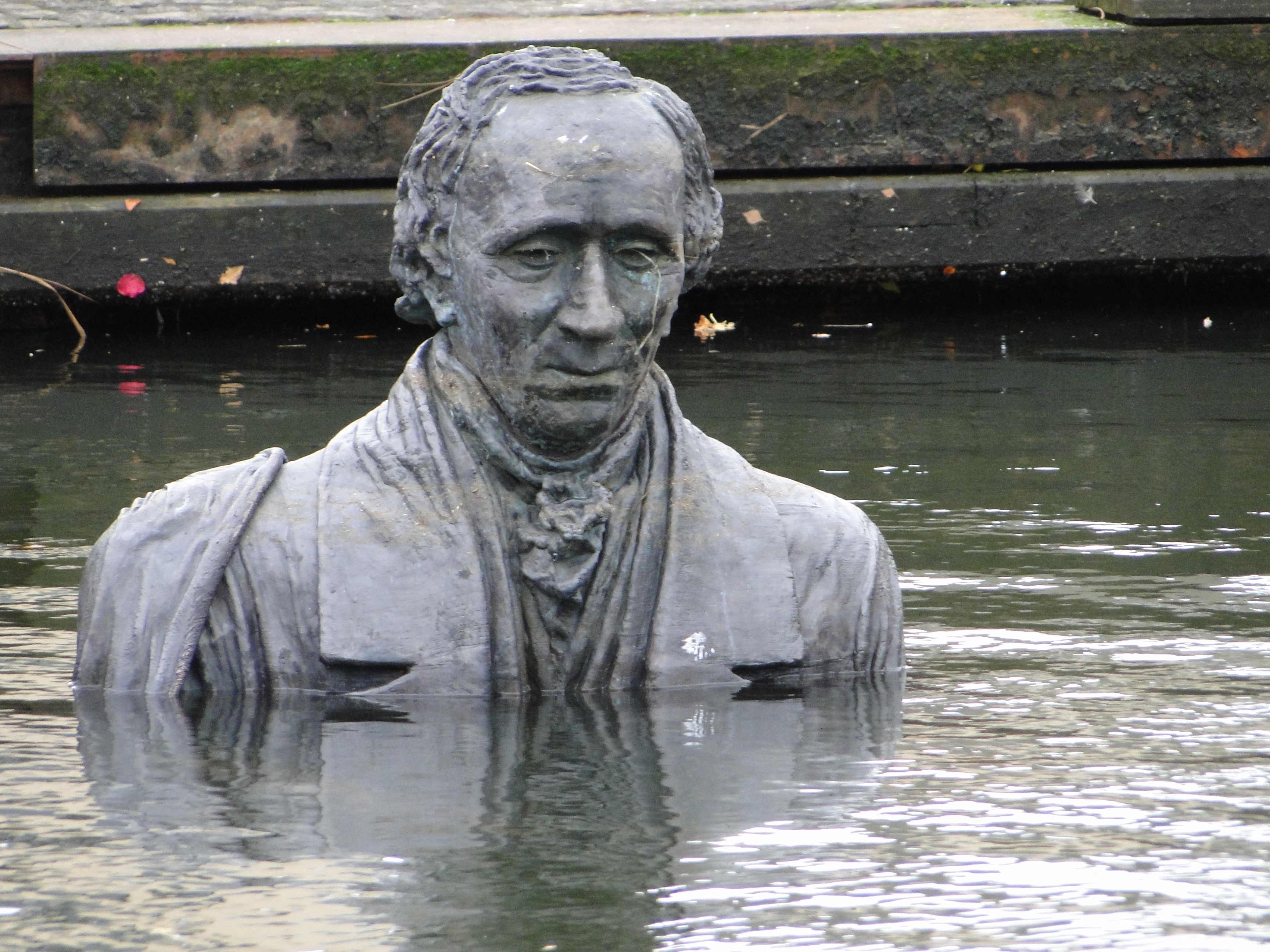
The shock is to spend a week reading him and realize that Hans Christian Andersen is not in league with Aesop or Lewis Carroll or with C.S. Lewis, but of the first rank, a rival - literally, in both senses - to his contemporary, Søren.

Friday, March 7, 2014
if pricks are to be kicked
"Christ cometh in through closed doors." Like Paul, there is no need of invitation or openness. The greater glory, if there is to be glory, comes of transcending our human rejection, not by our openness, out of which more would fall than enter in.
a good rap
One beauty of meter is that it can displace thought from word. A quick meter, iambic pentameter, say, can put the thought after the words that express the thought. Tactics like this give Shakespeare much of his hand over the listener.
some Rizzle Kicks
"See, I’m not festive, but I quite like presents
Don’t wanna die, but I quite like heaven
Wanna good place, but I don’t like waiting
Wanna go crazy, but I’m not patient
Wanna be smart, but I don’t like learning
I wanna be rich, but it takes time earning
Wanna be fit, but I don’t like running
Then I see you and I wish I done something..."
Don’t wanna die, but I quite like heaven
Wanna good place, but I don’t like waiting
Wanna go crazy, but I’m not patient
Wanna be smart, but I don’t like learning
I wanna be rich, but it takes time earning
Wanna be fit, but I don’t like running
Then I see you and I wish I done something..."
Tuesday, March 4, 2014
a personal case for St. John's College
For years I've talked to prospective students interested in St. John's College, which I attended in Annapolis. This essay puts some thoughts on the value of a St. John's education in relation to my own experience.
- - -
St.
John’s St. John’s
- - -
If a friend of mine knows anything about St. John’s
College, it’s that St. John’s St. John’s
If a friend knows anything about me, it’s
that I love to read and talk. Always
have, still do.
I grew up in a tight-knit Baptist church in South Carolina St. John’s
As my parents began to date, they started asking
each other questions, and never stopped: How
should a family be? Are plants alive the
same way we are? What makes males and
females different? My parents are
curious people, although not college educated.
They are thoughtful people, alive to ideas and observations.
My mother waited tables and my father repaired
copiers, and they each found interest and depth in these jobs. My dad would bring home broken parts from a
copier and explain to me his theory of what happened: See
what happened here – there was just enough heat coming off that fuser to make
this little plastic gear soften and wear down faster. A broken copier, believe it or not, is
interesting and fun to fix: you just have to come at the right way. My dad is interested in just about
everything: he’d pull the van over on the way back from church because he saw a
kind of tree he didn’t recognize. We’d
back up until he spotted it again and he would take a branch – then go home and
figure out what kind of tree it was, and what was different about it. My mother would bring home stories from the steakhouse
she worked at of the family dramas that would play out between couples eating there. And we would sit late at night and listen,
not just to the gossipy, petty dramas that families play out at restaurants,
but also the more serious questions: How does a basically decent couple come to
hate and hurt one another? Just what is
the pleasure that people take from malice?
Why do people posture?
So, my parents’ questions tended to be about family,
church, machines, nature. They were
deliberate parents and meant business about raising us well: their parenting
was thought through. They questioned and bucked cultural and
child-raising conventions. They taught
us that every choice you make is your
responsibility – that if you follow the crowd or act without reflection, you
are as responsible for those actions as for the things you strike
out alone to do. I’m the only one of
their children that attended St.
John’s St. John’s is a place where the curriculum, the program of
education is similarly thought through
and questioned: fundamentally, St.
John’s St. John’s
Like most independent-thinking people, my parents
held firmly to the convictions they did reach, because those convictions were
their own. At home, we read the Bible
each morning over breakfast. My father
had a special love for the Proverbs, and a knack for drawing out many lessons from
the same verse: one lesson for the small children, another for the older kids,
and a third for him and mother – all in the few minutes it took to eat a bowl
of oatmeal or grits. The fact that a
single, profound text contains many meanings for different people, a familiar
idea at St. John’s
At church, we heard ambitious, long-form, expository
sermons. I loved the Bible, loved my
faith, and believed in Christ . I was the most intellectually minded of the kids,
and loved the focus our church had on reading to learn, and talking to
teach. But my parents’ convictions
and my church’s strictness were, at the same time, confining, even stifling. I wanted to read the Bible critically, not
just devotionally. I wanted to talk about
the Scriptures with people who understood them differently than a Baptist did,
or who did not believe at all. Church was not the place for that. Neither was home.
Public high school was worse. Like my brothers and sisters, I had been homeschooled in the earlier years. The shift to public school was unpleasant. My interests did not fit in, my parents’ convictions (little television, no popular music) did not fit in. I was a proud kid without a knack for friendship who had far too little patience or sympathy for others. Teachers didn’t know what to do with me. Classes bored me.
Public high school was worse. Like my brothers and sisters, I had been homeschooled in the earlier years. The shift to public school was unpleasant. My interests did not fit in, my parents’ convictions (little television, no popular music) did not fit in. I was a proud kid without a knack for friendship who had far too little patience or sympathy for others. Teachers didn’t know what to do with me. Classes bored me.
Instead, I liked the library and debate team and my
job at the local diner. At the school
library, I had worked my way through the philosophy shelf and found my teenage
favorites: Hobbes and Dewey . The school librarian mentioned St. John’s University
of Chicago ,” she said, “he was
thinking about St. John’s St.
John’s College
That catalog impressed me. I was sixteen. St.
John’s St. John’s
Could it be? St. John’s College St. John’s John Christensen Annapolis
So off I went.
I was barely seventeen and had applied nowhere else. And at St.
John’s St. John’s
I had growing up to do, some of it hard. None of my family had been through college, and
even though my family’s ways were in some ways comparable to St. John’s St. John’s
Shared experience, the desire to fit in and
eventually friendships broke through my awkwardness to a great extent, but that
took time. From the start, though, the
variety of backgrounds, personalities and interests was exciting. From the start, most of us had a bottomless
appetite for talking through ideas, for plunging in and learning to make a
classroom conversation go. We had the desire to be at St. John’s
Learning to have a good conversation, though, took time, and was as important as what
we were talking about. It began,
frankly, with self-control and improving manners – learning not to hog the
table, not to ignore what had been brought up by others, not to force a new
topic of individual interest. All of us,
in one way or another, had to mature to improve in conversation. For me, it was about learning humility. For others, it was about becoming bolder, or
increasing attention-span, or controlling temper, or developing patience. It was in learning to have a conversation at St. John’s St. John
By reading together, we learned how people come at
books and make good use of them. How to
read well is an important subject. Reading
Reading well is not about the act of eyeing printed
words. The skillfulness lies in the hard
work of tackling a book, considering it, making something of it. It requires fair-mindedness, focus and
attention span. It requires developing a
mental library of references to other books already read, which takes
time. Reading St. John’s
By reading the same books, together, with each other
in a community, we could learn the different ways of approaching very
dissimilar books, the range of approaches to an issue or description. As with other important skills, even the problems of carrying out the work of
reading are worth consideration. Bigger
errors and littler mistakes made in understanding a book or proposition or
experiment could, by conversation, be made useful.
Instead of simply jumping to someone who got it
right, we would usually try to repair something that had gone wrong and figure
out how it had. One of the best ways to understand a
proposition is not to abandon someone’s mishandling of it but to trace through
the steps and figure out: What went
wrong?
That lesson has stuck with me and been profitable to
me ever since: books and other subjects lend themselves to certain revealing mistakes. Incorrect readings of a book are not random, so long as they arise from
sincere effort. Meaningful mistakes loop
around great ideas in definite orbits whose paths, when traced, reveal some things
about the central idea itself, or about an author’s treatment of an idea, that cannot
be learned from staring at an idea dead on.
So, we learned to pay attention when one of us was honestly
troubled by an idea, or tangled up in it.
We learned to be selective – to accept that books worth reading are too
rich to discuss in full, all at once. We
learned that direct and simple observations are more useful, more beautiful,
and usually more subtle. The truth is
rarely fancy, but often delicate. We
found that just working out what a book was saying, step by step, took serious
effort, even without stacking on critical or historical layers.
In interpreting what we read, we learned that the
easiest explanation was the fastest to fall.
For some books, comparisons and metaphors helped understanding. But with other books, the difficult idea,
standing for itself, directly engaged, was better than any metaphor or
explanation we could substitute for it.
And a few books had hidden meanings, found behind trap doors that led
past a surface meaning erected to satisfy the censors, or to obscure a precious
truth from the casual reader, or to hide a potentially dangerous truth from the
foolish and clumsy.
We therefore had to prepare with care, reading and
studying. The most valuable habits to my
current practice as an attorney that I learned at St. John’s
But St.
John’s St. John’s
I loved the people at St. John’s St. John’s
gave me an education in this: they knew and I learned that a St. John’s St. John’s
I missed out on athletics at St. John’s King William ’s Players is
the theater group in Annapolis
I had a special love for the wisdom literature in
the Bible, including Job, and several of the informal study groups I
participated in were about them. This
turned out, at St. John’s , to be a way for me to
make some acquaintance with Jewish culture and people, something I hadn’t had
growing up in my part of South
Carolina St. John’s
The faculty members (the “tutors”) at St. John’s Socrates is called for –
and the wonder is that the tutors at St.
John’s
Young people are easily awed by impressive adults
who care for them, and on the whole we were awed by the tutors. The tutors maintain a certain formality in
their interactions with students – a detachment that helps keep classroom
conversations from devolving into free-for-alls or social conversations. Students pick up on that, and one of the main
things that strikes me in retrospect about the classroom conversations at St. John’s St. John’s W.E.B. DuBois St. John’s St. John’s St. John’s
The tutors’ other great role at St. John’s Reading St. John’s to learn to write is my first answer to someone
who worries that St. John’s St. John’s
To be sure, the transition from St. John’s St. John’s South Carolina St.
John’s Dunlop ,
the golf and tennis ball manufacturer.
People respond well to St. John’s St. John’s
Outside work, I dove back into religious life at my
church with fervor. I had missed that
life and my old church community while at St.
John’s St. John’s encouraged me to lose my faith – I
knew more people that gained religious faith than lost their faith at St. John’s St.
John’s St. John’s
There was another factor: I had always been
attracted to other guys, not girls. I
had grown up believing this was a spiritual disease or affliction, and that I
could control it, even see it as a trial to overcome and prove myself
against. It is possible with strength to
repress something you sincerely believe to be evil and destructive, at least
for a time. But at St. John’s
That held for a while, but it could not survive the
erosion of my faith. Finally, I prepared
my parents and friends, then stood in front of the congregation that I grew up
with and told them that I no longer believed that the Scriptures were
inerrantly true and that I would, from that time forward, feel free to live as
a gay man.
It was painful – these people loved me and I had
grown up in that church. Until then I
had felt more at home in those pews than anywhere else. I was excommunicated. Friends and relatives did not know what to do
with me. And it was especially hard for
my parents – although the pain of it gradually passed for them and we have a
stronger relationship now than ever. But
that took years and called on their full measure of decency and love, and on
mine.
But right after that excommunication, I needed to get out.
It was a dramatic period, a departure crisis of the sort I remembered
from great novels. Within weeks and with
scrambling and luck, I had moved to New York City
and found good work in the information technology office of a large Manhattan St. John’s Annapolis ;
here in New York
A few months after moving to New York
So I applied to law schools. I doubt my applications would have been a
success without the advice and help of Roberta Gable, then at the St. John’s Cambridge , Massachusetts
to attend Harvard
Law School St. John’s has a big reputation,
quite out of proportion to St. John’s St. John’s St. John’s reputation as from St.
John’s
Law school went well. I was on the Harvard Law Review at the time Barack Obama St. John’s St. John’s
And now I practice law, mostly corporate bankruptcy,
a field of law that had interested me starting half way through law school. I love the work. All good work is hard, and has its share of
drudgery – just ask a St. John’s
My education at St. John’s
does contribute to my efforts to do my work well: the practice of speaking, of
convincing, of listening and of reading closely I had at St. John’s St.
John’s St. John’s
There is a joy to living in a reflective, thoughtful
way – and St. John’s St. John’s
how?
From my office I see down onto the curving ramps of the Manhattan end of the Queensboro Bridge, put in motion by the vehicles that continually trace these curves, woven past the thick grid of avenues and streets, and before and behind the vertical grid of tall towers. Moving curves of shining painted vehicles, amongst the stout, still, straight lines of streets and towers. Seeing it every morning feels part gift, part sermon: deserve ye this?
Monday, March 3, 2014
Petrie Court
I like museums, good ones anyhow. But how much museuming I can take at a time is a function of what's within. I can spend a full day in the best large historical or scientific museums, and not just gain from it, but enjoy it. Art museums I can spend a day in, but I fatigue: far better is a smaller, ninety minute visit to some corner.
One of the luxuries of being in New York City is that I can handle the encyclopedic art museums (the Met and MoMA) in just this way: buy a membership allowing me unlimited visits and drop in every month or so for a little while.
The MoMA has its joys, but it is the Met that provokes real feelings, thoughts, even works on me. Probably not entirely, though mostly, to the good.
One sits in a museum cafe, in sight of Rodin's Burghers of Calais, looking out windows across Central Park at the Cleopatra Needle. There is a burble of conversation within, a stream of joggers without. One thinks of Tahrir Square, of Les Bourgeois de Cairo. One thinks of how Rodin has made the hands and feet of his burghers relatively massive, there's a sense of movement and gesture dominating. One sees the perfection of the bronze turtles bearing up the rounded, worn corners of of the Needles, the hieroglyphics rising up in ancient language to a point that is not stone - long broken away - but a sort of cheap modern prosthetic point, apparently of painted cement. One sees that waiter pass, yet again, the dark Indian with the half turned smile and thrown back shoulders. What does he know? He looks as if he is the unrevealed king of the play, and knows it. He owns.
And of course, in some sense, he does. Look at where he is. Glory surrounds him. And I, sitting with my coffee and bread, feel the same way as I imagine he does, although I don't think my smile or shoulders betray it. One sits with coffee, or another waits tables, and we - he and I - at least I - feel utterly rich. A museum, a park, a gifted sculpture taken by a culture from its own ancient patrimony and given to the people of its modern patron, each offers itself. And one partakes, one takes, one has. There is no illusion here, no fantasy of material ownership. Not at all. What there is - being rightly placed here, as a visitor or employee, is quite real, and if one is taking it in - seeing and feeling and being - then one is taking all that is on offer, and that is such an all, that for a time one cannot imagine needing more of anything.
Our species is great. Mankind is unfathomably great. We are each rich by inheritance. You and I were born with silver spoons in our mouths. Let us live worthy of our privileges.
One of the luxuries of being in New York City is that I can handle the encyclopedic art museums (the Met and MoMA) in just this way: buy a membership allowing me unlimited visits and drop in every month or so for a little while.
The MoMA has its joys, but it is the Met that provokes real feelings, thoughts, even works on me. Probably not entirely, though mostly, to the good.
One sits in a museum cafe, in sight of Rodin's Burghers of Calais, looking out windows across Central Park at the Cleopatra Needle. There is a burble of conversation within, a stream of joggers without. One thinks of Tahrir Square, of Les Bourgeois de Cairo. One thinks of how Rodin has made the hands and feet of his burghers relatively massive, there's a sense of movement and gesture dominating. One sees the perfection of the bronze turtles bearing up the rounded, worn corners of of the Needles, the hieroglyphics rising up in ancient language to a point that is not stone - long broken away - but a sort of cheap modern prosthetic point, apparently of painted cement. One sees that waiter pass, yet again, the dark Indian with the half turned smile and thrown back shoulders. What does he know? He looks as if he is the unrevealed king of the play, and knows it. He owns.
And of course, in some sense, he does. Look at where he is. Glory surrounds him. And I, sitting with my coffee and bread, feel the same way as I imagine he does, although I don't think my smile or shoulders betray it. One sits with coffee, or another waits tables, and we - he and I - at least I - feel utterly rich. A museum, a park, a gifted sculpture taken by a culture from its own ancient patrimony and given to the people of its modern patron, each offers itself. And one partakes, one takes, one has. There is no illusion here, no fantasy of material ownership. Not at all. What there is - being rightly placed here, as a visitor or employee, is quite real, and if one is taking it in - seeing and feeling and being - then one is taking all that is on offer, and that is such an all, that for a time one cannot imagine needing more of anything.
Our species is great. Mankind is unfathomably great. We are each rich by inheritance. You and I were born with silver spoons in our mouths. Let us live worthy of our privileges.
beside
Night will be backdrop
To your body.
Sleep will make sculpture
Of your shape.
Frost will press windows
To see you.
All will protect you
Till you wake.
Sleep will make sculpture
Of your shape.
Frost will press windows
To see you.
All will protect you
Till you wake.
Sunday, March 2, 2014
"Pay no attention to that man behind the curtain."
Has ever a movie had so many quotable lines as The Wizard of Oz?
Saturday, March 1, 2014
tails
A dress code is either a demand of respect, a wish for a certain tableaux, or a stage whisper that some of those formally invited are not welcome to attend.
Friday, February 28, 2014
to swallow
Buying can be an act of power over those who cannot buy, quite apart from the thing bought. For some purchases and some purchasers, the value of acquisition is in the act itself. It isn't the oyster, it is the vanquishing of the bivalve being slid down one's throat.
Monday, February 24, 2014
midnight, after
There's a lot of joy to a great Broadway show, and After Midnight absolutely is. (It's also unrevivable, since it is entirely about the quality of this performance of of old song and dance numbers. It is an old-fashioned revue, not a plotted story.)
But behind the joy, is a challenge and motivation to any professional New Yorker, including me. These dancers and singers and (holy cow!) that band, are superbly talented, prepared, and working hard on stage. This is a city for folks like that - not just the lucky, but the lucky who are talented and prepared and hard working each day. They bring it.
I know it already, and even fulfill it to some degree, but these performers remind me: this city demands the best of you - whatever show you're in, what ever numbers you're on stage for, you have to bring it.
The question is not whether I or you can do what they do. You and I cannot blow Gabriel's horn. But can I - can you - do something to that degree? For my part, I want the answer to be yes; I do want to deserve to be here, for the quality of my lawyering and living.
But behind the joy, is a challenge and motivation to any professional New Yorker, including me. These dancers and singers and (holy cow!) that band, are superbly talented, prepared, and working hard on stage. This is a city for folks like that - not just the lucky, but the lucky who are talented and prepared and hard working each day. They bring it.
I know it already, and even fulfill it to some degree, but these performers remind me: this city demands the best of you - whatever show you're in, what ever numbers you're on stage for, you have to bring it.
The question is not whether I or you can do what they do. You and I cannot blow Gabriel's horn. But can I - can you - do something to that degree? For my part, I want the answer to be yes; I do want to deserve to be here, for the quality of my lawyering and living.
Sunday, February 23, 2014
glories
Singing, swinging, big city jazz on the cusp of being a national style. Harlem culture, 8½ months pregnant, ready to move the Cotton Club down to midtown. Bigger bands, crisper beats, feathers, pearls, and an ecstatic alto cry somewhere between a moan and a croon and shout and a sob and a dictator's peroration. Spats over patent leather taps.
Thursday, February 20, 2014
squares
There is no such thing as mass democracy. Either the mass is more than a mass, or the democracy is less than a democracy.
Wednesday, February 19, 2014
makes the whole banana kin
The bulldozer trundles down 31st Street, past the dirty piles of snow and the old Dodge van delivering fish to the corner market. The rusty spots on the bulldozer's yellow paint job makes it look like a strangely transformed, overripe banana, snorting soot.
It stops ahead of me, diesel engine idling noisily. The operator opens the bulldozer's cab and leans down to speak to a commuter, with his messenger bag and red parka. As I pass, I see the operator learning down further, straining to hear, and hear the commuter shouting up directions to Steinway Street. Even bulldozers get lost.
Tuesday, February 18, 2014
after Pascal
No, no. He's not smarmy. He's simply the sort of guy who smiles a toothy smile that ingratiates and and promises accommodation to those in whom he sees the prospect of later advantage. The sort who wears an old, sleeveless fleece vest over a crisply tailored dress shirt, with monogrammed cuff links.
I feel the recent memory of lotion in his handshake. A few minutes later, seated, I catch the faint whiff of his lotion's perfume in my own palm.
I begin to speak, and with open smirk, the banker licks his teeth, although they are clean.
I feel the recent memory of lotion in his handshake. A few minutes later, seated, I catch the faint whiff of his lotion's perfume in my own palm.
I begin to speak, and with open smirk, the banker licks his teeth, although they are clean.
the flaming chicken
An old St. John's story of mine has turned fifteen. (In story form, that is. The events were from a couple of years before that.) The story will make no sense if you did not go to St. John's, but those familiar with The Game may recognize that I was playing it in the writing of this story.
A late warm evening and dark already since the time had changed, and Tuesday, so people took their time drifting out of Randall. Leah Pitanken had her boom box on the quad, playing Sinatra. No tutors, and everyone danced. Nan Dunn stayed late in the Campbell switchboard; Gillen was off. She was fat, and not happy. I rocked in the switchboard rocking chair, listening to some scandalous something from Nan that I've forgotten; and a prospective student sunk into the old sofa against the wall, taking it all in.
The door was open to the quad. The brown change dispenser made itself felt whenever people needed laundry quarters. A brown earthenware dining hall mug of tea warmed my hand. And it was beautiful out.
That was my freshman year, and the seniors were unattainable. They were St. John's. Not the smart workhards of the Juniors, like Tim Pomerole, Seth Millikan, or Matt Braithwaite, but the real thing: 80s men, and worldly. They remembered good pranks. Tutor musicals. And puke-drunk hallucination filled Realities. Scary cool. Christopher Anderson cool. Carl Grunert scary. Kevin Golladay suave. Jeremiah James serene. Mark Whipple and his posse, waitin' in hiz zone: Dan Stromberg, Marshall Kass, and that other guy. Ian Nyberg's bow tie; Dimitri Fedotov's accent.
And Aaron Morris, who had 417 Pinkney, and a job in the dining hall. Stole Mariott champagne, stole Mariott sterno (the jellied petroleum in a tin can that burns slow under a casserole), stole whatever. Rabid Republican, late head of the Political Forum, porn fiend of the Gadfly. (I took the Political Forum, Nelson took the Gadfly. In months, the cool was dead, and long live the self-righteous geeks. Soon the Gadfly would lose the profanity laced overheards, and start printing investigative articles on College finance. The Delegate Council would stop meeting in the evening (in ties) and start putting out Polity Court surveys. Soon, Cool was really dead.)
But I get ahead of myself. That was second semester. This was first. Cool lived, and it was swinging in the quad.
So, even if you weren't looking toward Pinkney, you heard it. Or you heard people seeing it. And we all crowded in. Lewis's 4th floor window was open, screen off ($50 fine), and everyone stared and pointed and covered their mouth. JFK had been shot, and he was a flaming chicken, flapping on the ground. Blue flame. Sterno flame. Like a ball of fire off target, it came whooshing out the window and hit the dead Pinkney tree out front, bounced through like Plinko, and there it was and there we were and look at that and here comes Capn Adams and some friend went up and asked him Why Did You Throw The Chicken Out The Window? and he said Because It Was On Fire. Scary cool. The chicken was the dud phoenix of the Seniors and Scary cool. Not really burnt and not coming back. In its place, us and our bad LSD trip and endless Political Forum fliers. Scary cool is dead, long live Stupid, long live Serious. And psychotron was coming. They cut down the dead Flaming Chicken Tree. They were going to anyway.
A late warm evening and dark already since the time had changed, and Tuesday, so people took their time drifting out of Randall. Leah Pitanken had her boom box on the quad, playing Sinatra. No tutors, and everyone danced. Nan Dunn stayed late in the Campbell switchboard; Gillen was off. She was fat, and not happy. I rocked in the switchboard rocking chair, listening to some scandalous something from Nan that I've forgotten; and a prospective student sunk into the old sofa against the wall, taking it all in.
The door was open to the quad. The brown change dispenser made itself felt whenever people needed laundry quarters. A brown earthenware dining hall mug of tea warmed my hand. And it was beautiful out.
That was my freshman year, and the seniors were unattainable. They were St. John's. Not the smart workhards of the Juniors, like Tim Pomerole, Seth Millikan, or Matt Braithwaite, but the real thing: 80s men, and worldly. They remembered good pranks. Tutor musicals. And puke-drunk hallucination filled Realities. Scary cool. Christopher Anderson cool. Carl Grunert scary. Kevin Golladay suave. Jeremiah James serene. Mark Whipple and his posse, waitin' in hiz zone: Dan Stromberg, Marshall Kass, and that other guy. Ian Nyberg's bow tie; Dimitri Fedotov's accent.
And Aaron Morris, who had 417 Pinkney, and a job in the dining hall. Stole Mariott champagne, stole Mariott sterno (the jellied petroleum in a tin can that burns slow under a casserole), stole whatever. Rabid Republican, late head of the Political Forum, porn fiend of the Gadfly. (I took the Political Forum, Nelson took the Gadfly. In months, the cool was dead, and long live the self-righteous geeks. Soon the Gadfly would lose the profanity laced overheards, and start printing investigative articles on College finance. The Delegate Council would stop meeting in the evening (in ties) and start putting out Polity Court surveys. Soon, Cool was really dead.)
But I get ahead of myself. That was second semester. This was first. Cool lived, and it was swinging in the quad.
So, even if you weren't looking toward Pinkney, you heard it. Or you heard people seeing it. And we all crowded in. Lewis's 4th floor window was open, screen off ($50 fine), and everyone stared and pointed and covered their mouth. JFK had been shot, and he was a flaming chicken, flapping on the ground. Blue flame. Sterno flame. Like a ball of fire off target, it came whooshing out the window and hit the dead Pinkney tree out front, bounced through like Plinko, and there it was and there we were and look at that and here comes Capn Adams and some friend went up and asked him Why Did You Throw The Chicken Out The Window? and he said Because It Was On Fire. Scary cool. The chicken was the dud phoenix of the Seniors and Scary cool. Not really burnt and not coming back. In its place, us and our bad LSD trip and endless Political Forum fliers. Scary cool is dead, long live Stupid, long live Serious. And psychotron was coming. They cut down the dead Flaming Chicken Tree. They were going to anyway.
Brasil
Advantage-seeking lies can be very strong. It can take five truths to move one motivated lie, and unquestioned lies have lain as the firm foundations of many a great structure.
Monday, February 17, 2014
more Søren
Some cannot ride in the back seat without getting carsick. Some cannot stand the sight of blood. And some of us get nauseous at the sight of our own words, spilled on the page or screen.
Saturday, February 15, 2014
Schedule A
An unexpected pleasure of Hamilton's Report on Public Credit, prepared in 1790 for the new Congress, is to see how little changed is the structure of practical extended writing. Short tables embedded in the text, long tables appended as Schedule A, Schedule B and so forth. There are bullet points and a short summary at the beginning - an executive summary - with a plea for a few key action items in the back. Probably an ambitious, able Assyrian treasury official organized his reports similarly.
Thursday, February 13, 2014
tough negotiations
The feeling of being dishonest is not durable. The habit of dishonesty brings the dishonest person into a new form of belief, and once believing, the habitual lies feel true.
Tuesday, February 11, 2014
makes the whole world kin
I slip on the gritty ice of the sidewalk and block the fall with my open palm. No damage, but my palm is scratched, dirty and burns with stinging pain.
And it snaps me back to infancy, this burning of a scratched palm that caught a tumble. Every toddler knows the sensation.
I usually feel distant from my own infant self; adult strangers leading similar lives seem closer. It is the memory of sensations that convinces me that he: was I.
And it snaps me back to infancy, this burning of a scratched palm that caught a tumble. Every toddler knows the sensation.
I usually feel distant from my own infant self; adult strangers leading similar lives seem closer. It is the memory of sensations that convinces me that he: was I.
Sunday, February 9, 2014
the best stuff
I move my office across the hall, where I'll be a little closer to my team and slightly better treated by the building's heating and air conditioning. A colleague changed firms and her office freed up. New paint, carpet cleaned, and I spend the day putting my books on the shelves, hooking my computer back up, resorting my files. It's about done.
I worked for years on the American Airlines bankruptcy and they gave me a lovely model airplane a few weeks ago: a Boeing 777-300 with a wingspan of almost three feet. I've been waiting to hang it in my new office, on clear plastic line, above the bookshelf.
Finishing touches. I cut and loop the line, test the balance of the model airplane against the loops, then climb up on the side table to remove a ceiling tile so I can fix the string to hang the plane.
I shift the tile, and a Snapple bottle drops out and hits the top of bookshelf - bap! It had been resting on the ceiling tile. It is half drunk, closed tight, lemon tea cloudy and clotted. I throw it away, and feel the impulse to wash my hands.
How long had that been there? And who left it? Some electrician, probably.
I worked for years on the American Airlines bankruptcy and they gave me a lovely model airplane a few weeks ago: a Boeing 777-300 with a wingspan of almost three feet. I've been waiting to hang it in my new office, on clear plastic line, above the bookshelf.
Finishing touches. I cut and loop the line, test the balance of the model airplane against the loops, then climb up on the side table to remove a ceiling tile so I can fix the string to hang the plane.
I shift the tile, and a Snapple bottle drops out and hits the top of bookshelf - bap! It had been resting on the ceiling tile. It is half drunk, closed tight, lemon tea cloudy and clotted. I throw it away, and feel the impulse to wash my hands.
How long had that been there? And who left it? Some electrician, probably.
Friday, February 7, 2014
seeds and oats
I pass a disturbed beggar woman warming herself on the grate, and my passing agitates her. She comes to her feet and follows me: "There you go, there you go, the Jew, the Jew! Seeds and oats! Seeds and oats!" I outpace her and her cries fade.
At least, that's what I heard in the moment. A few minutes later, in my office, I think back and wonder if she wasn't crying out "Say the oaths! Say the oaths!" Or "Squeeze his throat!" or who can tell?
At least, that's what I heard in the moment. A few minutes later, in my office, I think back and wonder if she wasn't crying out "Say the oaths! Say the oaths!" Or "Squeeze his throat!" or who can tell?
Thursday, January 30, 2014
Tuesday, January 28, 2014
faraway
How did I miss the national anthem of Myanmar all these years - its earnest strangeness - as strange, in its place, as that glorious oddity Key wrote: Kaba Ma Kyei ကမ္ဘာမကျေ Until the world ends up shattering, long live Burma!
Friday, January 24, 2014
Waffle House, et al.
Waiting on tables and cooking short order is remarkably good preparation for a career as a corporate lawyer.
Thursday, January 23, 2014
preparation?
Google and other companies tailor webpage ads based on my browsing and email history. I look at the Metropolitain Museum's website, and I get ads about art reproductions for a while. But (honest injun!) I do not know what I did to merit the current barrage of hemorrhoid relief ads.
I think I will have to fake shop for a bit - for ink cartridges, say - just to get them off the subject.
I think I will have to fake shop for a bit - for ink cartridges, say - just to get them off the subject.
Tuesday, January 21, 2014
clean sweepers and packrats
We oscillate between two contrary impulses in our inward, spiritual spaces. Sometimes we are Moses, come down from the mountain, pulverizing the golden calf: we seek the One that is True by casting out all else. But then sometimes we are Noah. Yes, drawn by something singular, if but a singular uncertainty, and collecting a couple of everything into inward keeps, and maybe more than a couple of anything that seems plausibly holy.
Monday, January 20, 2014
Wednesday, January 15, 2014
all whet
For those sharp enough to pick up the problem, here's a Times headline from today: "N.Y. School Chief Honed Blunt Style Over 40 Years."
Tuesday, January 14, 2014
plant anyway
We are adapted to toil but want ease. Consideration of that tension is the straightest, easiest path I know into an appreciation for the role of wisdom and the trouble with cavalier truth telling.
their chains shall be broken
Two middle-aged men sit at a table in the Whole Foods near my work. If they ever were eating or drinking anything, any trace is gone. They seem settled in: to their spot, to their raincoats, to their conversation. They watch as a "yoga and wellness" table is set up nearby, brochures set out, bundles of promotional pencils placed. Their conversation flags as they observe, then one says, half-heartedly, "I guess I could stop chain smoking a little."
a saccharine one
There are reasonable reactions that are not reasonable states - that are unhelpful ways to be. Bitterness, surely. Much of the human world is as bitter as a peach pit, and a bitter reaction is reasonable. But no good comes of bitterness.
Monday, January 13, 2014
elements of law
Convertibility is a remarkable tool. Nationalization of the state militia (or National Guard), debt that can be converted to equity in the event of borrower distress, currencies themselves.
chemistry
So much of the social quality of alcohol, as distinct from other drugs, comes from its liquid form and solvent and soluble qualities.
Sunday, January 12, 2014
shifting allegiances
Corruption or disintegration, used in their social senses, range wide. There is corruption or disintegration that is mere loss of order, to no good whatever. And then there is corruption or disintegration that is really migration: a movement to a different order from the standpoint of the losing order. Some who say "There goes the neighborhood!" is both correct and: in the wrong. Ordinary political corruption is itself often the expression of a competing order that could be (though usually isn't) better.
Thursday, January 9, 2014
Tuesday, January 7, 2014
beyond
Some peoples are beautiful, but not attractive - to the outsider - as children and the elderly are beautiful without being attractive, for they too are outsiders, within.
Yucatan 1, 2, 3
I fly into and out of Cancun, but do not stay there. The scene at the airport makes me glad I did not. The ugly American is everywhere visible - downing their first (or last) huge margarita slurpee from a pink plastic cup, buying Viagra and what-not over the counter at the gateside pharmacy, dressed to expose their revolting bodies. Of course the ugly "American" is often European: plenty of the worst are lined up to go back to Manchester, or Dublin, or Milan.
It is ugly, but is it bad? On to Uxmal, a formidable archaeological site. Beauty abounds, the riddle of these grand stone structures absorbing, there is no feeling of the tourist trap, those visiting are awed - elevated. It is not ugly. But isn't it bad? The ancient ball court - intricately, expertly carved - where captives were forced to play a brutal game, then decapitated. The enormous platform, decorated entirely with carved bas-relief skulls - where the heads of decapitated captives were stacked to the sky. The king and his lofty retinue lived on platforms reached by steep steps the commoners would never dare to ascend. When they were all swept away by drought and war, the extraordinary beauty of their city and its stone structures - remained. Remained, that is, eventually in ruins, covered in vines and trees. It took the opportunity of drawing tourists and nationalistic pride to fund the decades of work of deciphering what was, putting stone back on stone, reclaiming the shadow of the glory of the place.
Onward to Santa Rosa, where the Hacienda is a marvel of sensitive restoration, peace and luxury. Eleven rooms for the prosperous travelers who appreciate such a quiet little jewel. The flowers and towels and heavy silverware are set out by men. The housekeeping is masculine, only a few teenage women appear to be on the staff. (Other than the manager herself, who is not local, but now lives in the village. Given the dependence of this little village on the hacienda, she is virtually the mayor.) Where are the local women? At home: most girls marry at eighteen and most men prefer that their wives not work or risk exposing themselves to outsiders. And the poverty is as obvious as the warm, wide smiles I'm greeted with in every part of the village.
Greed built Cancun out of nothing, and built it for the ugly masses necessary to fill its beaches and hotels and bars and strip clubs. Greed built Uxmal. Greed built the henequen plantation that Santa Rosa originally was, where the hacendado (or patron) kept his field hands in wage slavery by charging them high prices at the only store - which he owned - where the costs could be deducted, with interest, from future pay.
But not greed alone. Cancun has beautiful beaches and breathtaking resorts. Uxmal is visited for its present beauty as much as for its historic significance. Santa Rosa is beautiful enough to draw tears from the visitor.
That petite Mayan woman at the Cancun Airport, selling Viagra to tourists in her white pharmacist's smock, prettily made up, eyes cold, smile thin. She might be from Santa Rosa, she might have wanted independence, she may go home to a little apartment with air conditioning and a sound roof, after stopping by the supermarket, having picked up a kilo of her girlfriend's favorite veggies. Her eyes soften, her smile broadens, and they make ramen, just the way they like. The next morning she does not trudge to toil in an endlessly repetitive, stifling factory. She does not work for a pittance slid under the table. She has credentials that are marketable and mobile. She gives advice to parents with howling children suffering from stomachaches, not just frat boys with wicked hangovers. They listen to her.
Deciphered, one thinks of the soliloquy of Orson Welles in The Third Man, one thinks a hundred things, one sees good in the thicket of greed, evil in the bosom of beauty. The twining vines, the stewing gumbo of ourselves, the ageless love triangle of good, beauty and greed, continually begetting themselves and the child evil.
It is ugly, but is it bad? On to Uxmal, a formidable archaeological site. Beauty abounds, the riddle of these grand stone structures absorbing, there is no feeling of the tourist trap, those visiting are awed - elevated. It is not ugly. But isn't it bad? The ancient ball court - intricately, expertly carved - where captives were forced to play a brutal game, then decapitated. The enormous platform, decorated entirely with carved bas-relief skulls - where the heads of decapitated captives were stacked to the sky. The king and his lofty retinue lived on platforms reached by steep steps the commoners would never dare to ascend. When they were all swept away by drought and war, the extraordinary beauty of their city and its stone structures - remained. Remained, that is, eventually in ruins, covered in vines and trees. It took the opportunity of drawing tourists and nationalistic pride to fund the decades of work of deciphering what was, putting stone back on stone, reclaiming the shadow of the glory of the place.
Onward to Santa Rosa, where the Hacienda is a marvel of sensitive restoration, peace and luxury. Eleven rooms for the prosperous travelers who appreciate such a quiet little jewel. The flowers and towels and heavy silverware are set out by men. The housekeeping is masculine, only a few teenage women appear to be on the staff. (Other than the manager herself, who is not local, but now lives in the village. Given the dependence of this little village on the hacienda, she is virtually the mayor.) Where are the local women? At home: most girls marry at eighteen and most men prefer that their wives not work or risk exposing themselves to outsiders. And the poverty is as obvious as the warm, wide smiles I'm greeted with in every part of the village.
Greed built Cancun out of nothing, and built it for the ugly masses necessary to fill its beaches and hotels and bars and strip clubs. Greed built Uxmal. Greed built the henequen plantation that Santa Rosa originally was, where the hacendado (or patron) kept his field hands in wage slavery by charging them high prices at the only store - which he owned - where the costs could be deducted, with interest, from future pay.
But not greed alone. Cancun has beautiful beaches and breathtaking resorts. Uxmal is visited for its present beauty as much as for its historic significance. Santa Rosa is beautiful enough to draw tears from the visitor.
That petite Mayan woman at the Cancun Airport, selling Viagra to tourists in her white pharmacist's smock, prettily made up, eyes cold, smile thin. She might be from Santa Rosa, she might have wanted independence, she may go home to a little apartment with air conditioning and a sound roof, after stopping by the supermarket, having picked up a kilo of her girlfriend's favorite veggies. Her eyes soften, her smile broadens, and they make ramen, just the way they like. The next morning she does not trudge to toil in an endlessly repetitive, stifling factory. She does not work for a pittance slid under the table. She has credentials that are marketable and mobile. She gives advice to parents with howling children suffering from stomachaches, not just frat boys with wicked hangovers. They listen to her.
Deciphered, one thinks of the soliloquy of Orson Welles in The Third Man, one thinks a hundred things, one sees good in the thicket of greed, evil in the bosom of beauty. The twining vines, the stewing gumbo of ourselves, the ageless love triangle of good, beauty and greed, continually begetting themselves and the child evil.
Monday, January 6, 2014
attics
Every family is a self-contained realm of narcissistic myths, and in this lies each family's strength beyond economic necessity, its ability to bond - and to bind - without the voluntary impedimenta of friendships.
Saturday, December 21, 2013
Tuesday, December 17, 2013
I'll be phoning it in for Christmas
Waiting at the the coffee shop, where the Christmas music is running nonstop. Next up: "Here Comes Suzy Snowflake," which turns out to be as formulaic a baby boomer Christmas tune as I've ever heard. Charmless. Even the vocals sound bored. Expert tip: when you're out of tuneful holiday song ideas, go far out, go big, go camp. Bonus points for, choreographed neck snaps and arm-windmills. Exempli gratia: "It's Turkey Lurkey Time."
Monday, December 16, 2013
what is man?
Here we have Alexis de Tocqueville's remarkable passage, in Democracy in America, so like the wisdom books of the Hebrew scriptures, in particular Ecclesiastes. The idea that man has the notion of knowledge - but not knowledge itself - is a particularly direct correspondence.
There is no need to traverse earth and sky to find a wondrous object full of contrasts of infinite greatness and littleness, of deep gloom and amazing brightness, capable at the same time of arousing piety, wonder, scorn, and terror. I have only to contemplate myself; man comes from nothing, passes through time, and disappears forever in the bosom of God. He is seen but for a moment wandering on the verge of two abysses, and then is lost.
If man were wholly ignorant of himself he would have no poetry in him, for one cannot describe what one does not conceive. If he saw himself clearly, his imagination would remain idle and would have nothing to add to the picture. But the nature of man is sufficiently revealed for him to know something of himself and sufficiently veiled to leave much in impenetrable darkness, a darkness in which he ever gropes, forever in vain, trying to understand himself.
There is no need to traverse earth and sky to find a wondrous object full of contrasts of infinite greatness and littleness, of deep gloom and amazing brightness, capable at the same time of arousing piety, wonder, scorn, and terror. I have only to contemplate myself; man comes from nothing, passes through time, and disappears forever in the bosom of God. He is seen but for a moment wandering on the verge of two abysses, and then is lost.
If man were wholly ignorant of himself he would have no poetry in him, for one cannot describe what one does not conceive. If he saw himself clearly, his imagination would remain idle and would have nothing to add to the picture. But the nature of man is sufficiently revealed for him to know something of himself and sufficiently veiled to leave much in impenetrable darkness, a darkness in which he ever gropes, forever in vain, trying to understand himself.
Friday, December 13, 2013
U TT
I will miss him. We all miss men of that generation. Diligently providing for their families, practicing their professions with competence and ingenuity, a little remote, filled with a well earned dignity. And he: an island of honesty in a sea of corruption, whose waves beat on him and his family relentlessly. His integrity was firm, and would not erode. Only his heart stopped; his family and spirit go on.
Tuesday, December 10, 2013
Rubik's Cube
Imagine a chest of many drawers - above and below, side by side - such as a card catalogue cabinet. Now imagine the cabinet with its drawers removed: one imagines an empty grid of supports and rails for the drawers. But it ought to be possible to create a chest of drawers in which each drawer is supported and guided only by the surrounding drawers (or, at the edges only, by the cabinet). I wonder if such cabinet of such construction actually exists.
the small vices
Goodness comes with unseen gifts in her shy pockets; evil goes with pockets stuffed and your refrigerator door left open.
Monday, December 9, 2013
pavé
I dreamt last night that I awoke to see a beautiful bit of driftwood, covered in the most perfect dew, lit by the first shaft of morning light, pale and pure. No morning dew was ever this perfect, so like diamond spheres.
But as my eyes adjusted, the driftwood was in fact my hand: I was covered head to toe in this beautiful dew. I glistened like a jewel. And so did you: I got up and met, it seemed, everyone I had ever known, and we each shone in our shrouds of perfect dew, lit by the low, dawn light. I especially saw two beloved and elderly relations, who sparkled as brightly as any. We were all barefoot on an expanse of soft mauve sand, like a shore with no ocean in sight. I asked one of you if the dew would evaporate and was told that no, this dew was mineral oil and would last.
I woke again, truly this time, and showered for work, for a moment transfixed by the streams of water coming from the showerhead, sparkling under the light of a 60 watt bulb.
It was a vision of heaven, more nearly than any I ever dreamt.
But as my eyes adjusted, the driftwood was in fact my hand: I was covered head to toe in this beautiful dew. I glistened like a jewel. And so did you: I got up and met, it seemed, everyone I had ever known, and we each shone in our shrouds of perfect dew, lit by the low, dawn light. I especially saw two beloved and elderly relations, who sparkled as brightly as any. We were all barefoot on an expanse of soft mauve sand, like a shore with no ocean in sight. I asked one of you if the dew would evaporate and was told that no, this dew was mineral oil and would last.
I woke again, truly this time, and showered for work, for a moment transfixed by the streams of water coming from the showerhead, sparkling under the light of a 60 watt bulb.
It was a vision of heaven, more nearly than any I ever dreamt.
pavé?
Kim Jong-un purged his uncle from North Korea's ruling elite for, among other crimes, "dreaming different dreams." George Orwell would be proud.
Sunday, December 8, 2013
superannuated
Modern medicine sets us up to grow so old that we are, in the final few years, half-buried alive.
Friday, December 6, 2013
Mandela
No leader of the first rank has been more like Washington, in mode of power, carriage, context and, withal, in goodness.
Thursday, December 5, 2013
too young to be spry
"Pert" is one of those adjectives best avoided that are, all the same, just so much fun.
Sunday, December 1, 2013
Subscribe to:
Posts (Atom)